

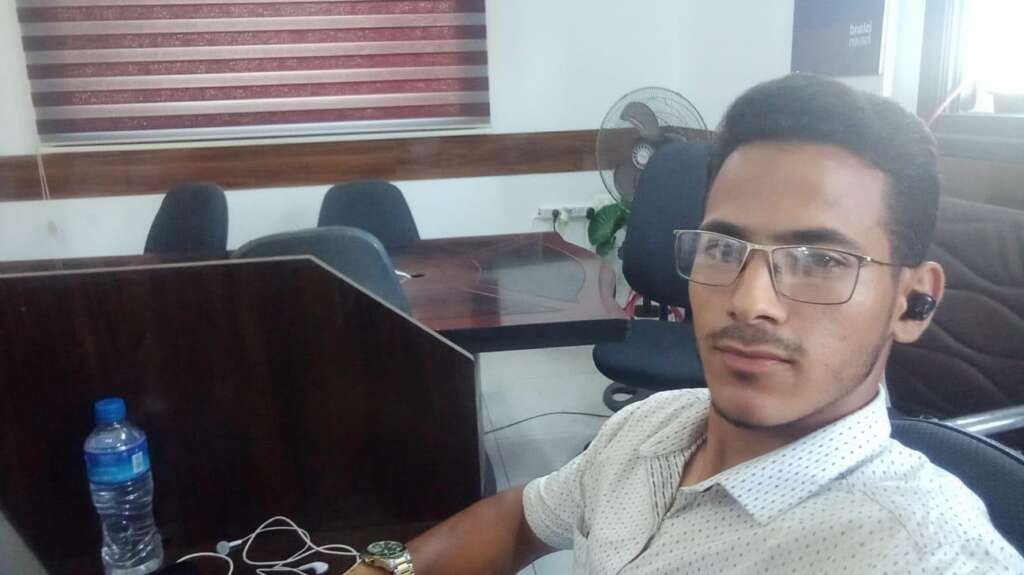
The story of Huthaifa’s life, residing amidst the profound challenges in Gaza, embodies a powerful narrative of resilience and unwavering hope. In an environment marked by immense adversity, individuals like me serve as beacons, demonstrating an extraordinary capacity to maintain their spirit and pursue a meaningful existence. Their daily lives are a testament to the human will to endure, to rebuild, and to find light even in the darkest circumstances.
Impact on Society
The impact of such resilience on Gazan society is profound and multifaceted. It fosters collective strength, encourages mutual support, and reinforces a shared identity rooted in persistence. This spirit is not merely about surviving, but about actively seeking moments of joy, education, and community, which become vital acts of defiance against despair.
The narratives of individuals are critical in understanding the complex tapestry of life in Gaza, highlighting not just the struggles but also the enduring power of the human spirit to find and cultivate hope against all odds.
A Beacon of Hope in Gaza City
The Daily Grind: A Fight for Normalcy
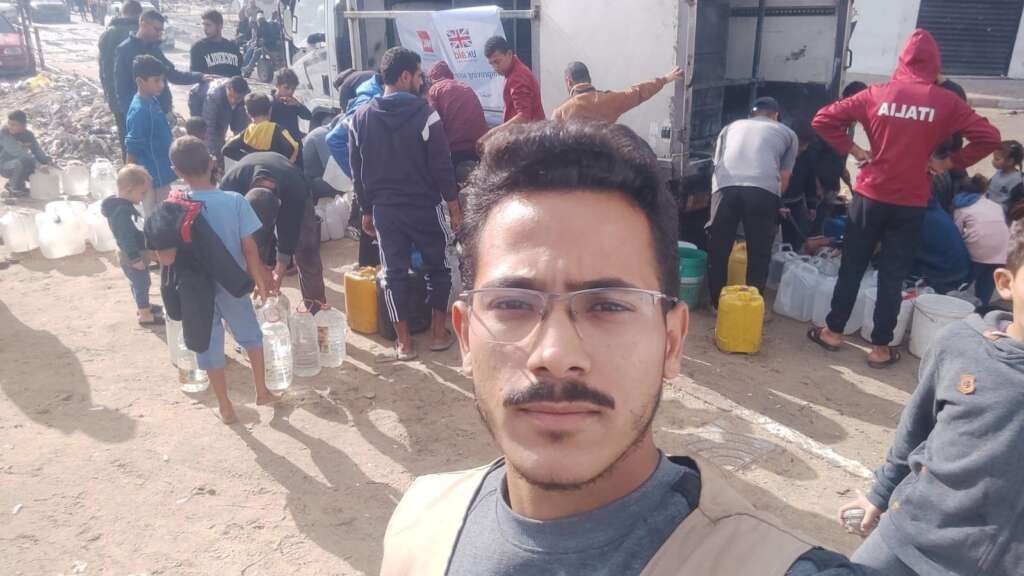
For me, daily life in Gaza City is a constant balancing act between routine and crisis. The infrastructure lies in ruins, electricity remains scarce, and hundreds of thousands live in makeshift shelters after being displaced multiple times. The economy has plummeted by 87% in two years, leaving thousands without income. Yet, within this stark reality, Gazans strive for normalcy. Children still dream of classrooms, doctors heal in collapsing hospitals, and mothers fight to protect their families. I often find myself navigating streets reduced to rubble, the weight of collective grief heavy in the air, but also witnessing acts of profound kindness and mutual support.
Hope in Gaza is not a passive waiting for salvation; it is an active choice, a daily practice. For me, this hope is fueled by the unwavering determination of my community to rebuild and reclaim its identity. I’ve seen the profound impact of humanitarian aid, despite its struggles to enter Gaza, providing critical support like medical supplies, food, hygiene kits, and mental health services. Organizations such as Oxfam, Project HOPE, and ActionAid have been instrumental in delivering essential aid, including clean water and food, which are vital for survival.
Even amidst the destruction, people return to their homes, driven by a fierce determination to reclaim their past, culture, and dreams. This resilience inspires hope, as articulated by Dr. Wissam Atallah, who notes that “Survival is political” in Gaza, where every act of defiance against oppression becomes a testament to the strength of the human spirit.
Building a Future: The Role of Social Cohesion
I’m convinced that the future of Gaza depends not just on external aid but on the internal strength and unity of its people. The shared suffering has created an unparalleled sense of social cohesion. People share what little they have, offer comfort to grieving neighbors, and collaboratively seek solutions to everyday problems, such as finding clean water or safe passage. This collective effort is the most impactful aspect for their society.
The spirit of communal support is critical. From mothers ensuring their children are marked for identification in case of tragedy to community groups distributing food and medical supplies, every act of solidarity strengthens the fabric of society. This resilience, born from shared values and a commitment to each other, allows life to continue, offering glimpses of hope even amidst the ruins.
Note: This project is supported by the British Council as part of the SARD programme, which focuses on the role of English and other languages in building resilience. SARD – Stories of Adversity, Resilience and Determination – encourages Palestinians, particularly young people, to share their stories and lived experiences through creative and educational media. The content of this production is solely the responsibility of Resilient Voices and does not necessarily reflect the views of the supporting or partnering institutions.