



Sometimes, waiting doesn’t feel like a choice. It feels like survival. We convince ourselves we’re being careful, responsible, realistic. But over time, waiting can become a shelter we hide inside. I didn’t notice it at first. I truly believed I was protecting myself.
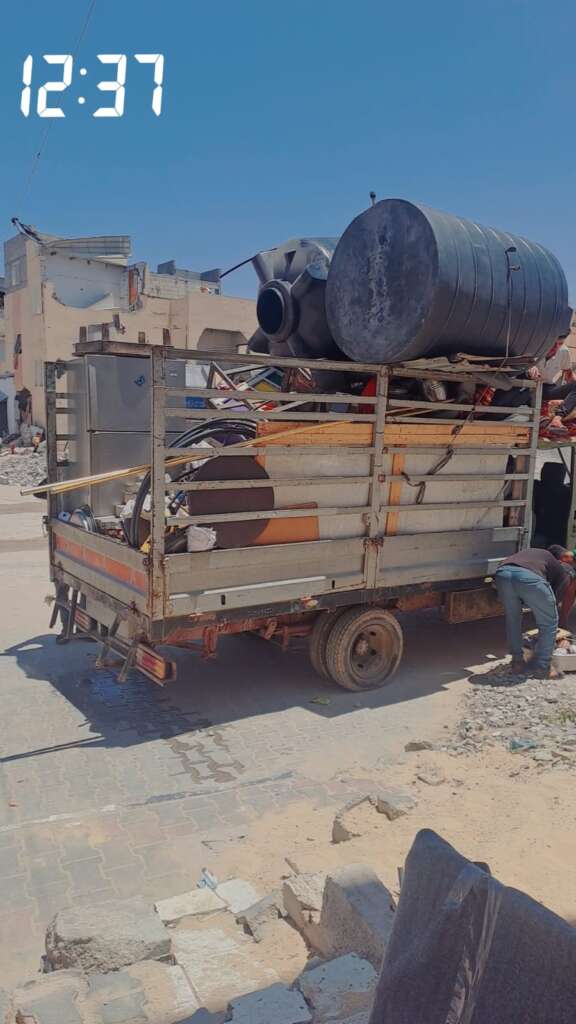
At the beginning of the brutal Israeli aggression, when online learning started, everything around me felt fragile and unstable. The internet could fail at any moment, movement was difficult and unsafe, and even life itself felt unpredictable. In the area where I lived, there was no internet.
Starting my studies felt like placing a heavy weight on my shoulders—a responsibility I wasn’t sure I could carry. Questions kept repeating in my mind: What if I fail? What if I can’t continue? So I waited—not out of indifference, but out of fear of not being able to resume.
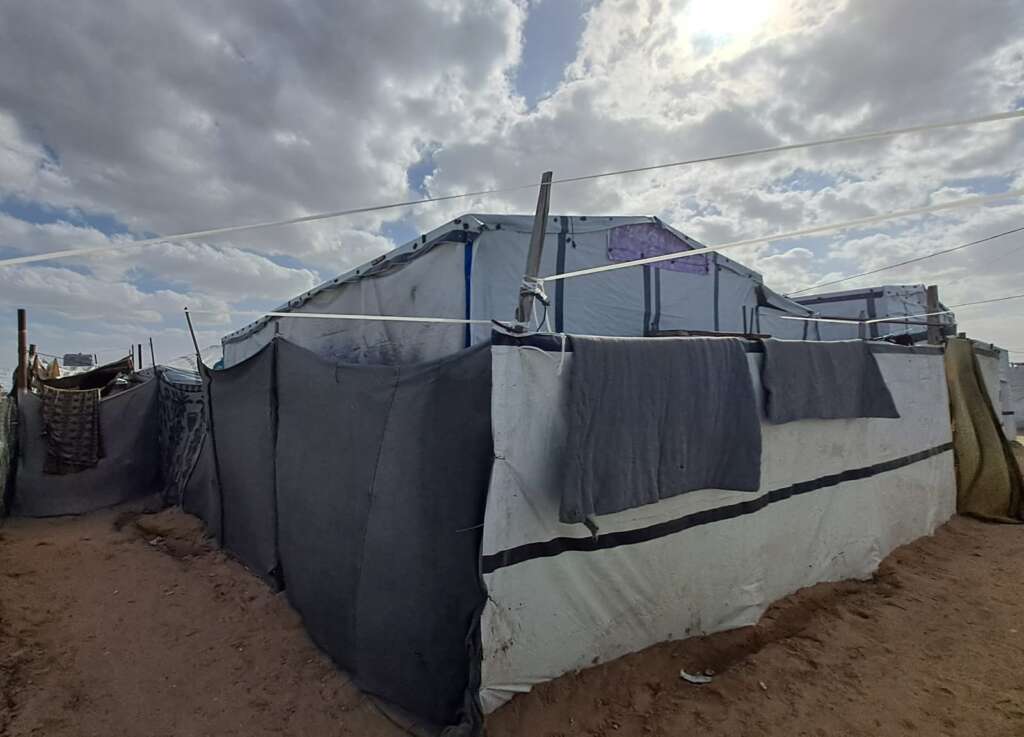
Then the second online semester began, and I was still resisting. Time passed, registration deadlines approached, and I kept convincing myself that waiting was the safest option.
Until one day, something shifted. A heavy pressure in my chest was followed by a painful realization: I was afraid—not of moving forward, but of being stuck. I wasn’t resting; I was falling behind.
That day, I didn’t suddenly become brave. I became afraid of staying where I was, afraid of watching life move forward without me. So I moved. I connected to the internet, opened my university page, and registered—not with confidence, but with fear of losing myself all over again.
I used to sit outside in the street among people, in a deprived area ill-suited for studying or focusing. Gradually, internet networks reached our area, and I could connect from home—but the struggle did not end.
The internet would cut off for hours and return for only a few minutes. I took exams under extreme tension, terrified it would disconnect—and it often did. I would sit for hours, crying, feeling all my effort was being wasted. Still, I completed the first semester online.
During that time, the internet improved slightly. I began to focus more on my studies. I enrolled in an English Language Diploma with JU Gate Academy, affiliated with The Hashemite University of Jordan, and also started a professional project management and NGO projects course. My family—who deserve immense credit—tried to provide the best conditions possible for me.
But that calm was only the beginning of repeated storms. I started a second semester—another chapter of forced displacement and suffering—followed by a new wave of brutal aggression.
I continued my university semester while also studying online in the English diploma and project management course. On May 19, 2025, an evacuation map was issued for our area. I completely collapsed. Hysterical crying overtook me—I didn’t know whether it was fear, terror, or grief over my plans collapsing for the third time.
We were lost, unsure where to go. A forced displacement journey began—the harshest of the aggression. We stayed in the street for days and built a tent I came to call, in my own words, “disappointment.” The pressure doubled, especially as I tried to study with multiple institutions, and once again there was no internet.
I moved from place to place searching for a connection, just trying to keep up with my piled-up studies. The spaces were chaotic and noisy. As someone who loves quiet, I would tremble from stress until my focus disappeared. I would snap at people—not because of them, but because I felt I wasn’t achieving anything.
The diploma lectures relied on a heavy application that required a strong internet connection. My voice would cut out, images wouldn’t load, and the surrounding noise made it impossible to follow. No matter how much I explained, they couldn’t understand—because no one had lived what I was living.
At the end of each exhausting day, I would return to help my family arrange our new place. That period drained me completely. I felt I was adding my burden to theirs. I would tell them everything through sobs and tears, and I would see my parents crying for me.
There were many days when I thought about quitting everything. I felt exhausted, incapable, empty. But by God’s grace, something always eased my way and pushed me forward. Alhamdulillah, I didn’t stop, and I remain determined to continue despite everything I’m still living through.
Fear doesn’t disappear all at once. It waits quietly. When initiatives with Dr. Ahmed Junina began, fear returned in a different shape. I canceled, ignored messages, and acted as if nothing had reached me—not because the opportunity meant nothing, but because stepping forward again felt risky.
One morning, I woke to a message from Dr. Ahmed. My fear doubled. I wanted to disappear. But my family stopped me and said, “Don’t run away… face it.” So I called.
That call created a small crack inside me—painful, but necessary. That same day, I began writing: a personal bio, a summary of my article, and then… my article.
My article was published. While waiting, the Resilient Voices Project appeared. Facing reality after the aggression felt like prolonged suffering. I had no energy to write and no strength to reopen wounds.
I registered only for Dr. Ahmed’s sake, then let it drift. Months passed until January 5 of this year, when I opened WhatsApp and unexpectedly entered the Story Project group, which I rarely check.
I saw the message: we had to submit our stories immediately. I froze. Panic, shame, and deep anger consumed me.
I searched for a story—until it became clear. I didn’t need to search. I was already living it.
Maybe this isn’t just a story, but a message. Waiting doesn’t always protect us. Sometimes, it slowly empties us from within. Strength is not waiting for fear to disappear—it is choosing to move while fear is still there.
If there’s one thing I’ve learned, it’s that fear never truly leaves. It changes shape, voice, and timing—but it no longer decides my place. I move even when my hands shake because staying still cost me more than moving ever did. This is not a story about bravery; it’s a challenge I set for myself.
Note: This project is supported by the British Council as part of the SARD programme, which focuses on the role of English and other languages in building resilience. SARD – Stories of Adversity, Resilience and Determination – encourages Palestinians, particularly young people, to share their stories and lived experiences through creative and educational media. The content of this production is solely the responsibility of Resilient Voices and does not necessarily reflect the views of the supporting or partnering institutions.

1 Comment
AbdAllah
MashaAllah, great story Sondos. By the will of Allah, your story inspired me today. Keep moving forward!